Advanced vs Basic Google Consent Mode: Performance Gains vs GDPR Risk (Explained)
Google Consent Mode
Integrations
7 mins
Elena Tsatcheva
February 23, 2026
Once merchants understand what Google Consent Mode v2 actually does, there’s usually a brief moment of relief.
Okay - that explains the tracking gaps. That explains why Google keeps warning us.
And then the real question shows up:
“So… do we use Basic or Advanced?”
This is where most explanations stop being helpful. Some lean too hard into performance. Others hide behind legal language. Neither reflects how this decision is made in real Shopify stores.
Because this isn’t a technical choice. It’s a business one
TL;DR (if you just want the answer)
Basic Consent Mode blocks all Google tracking until a user gives consent.
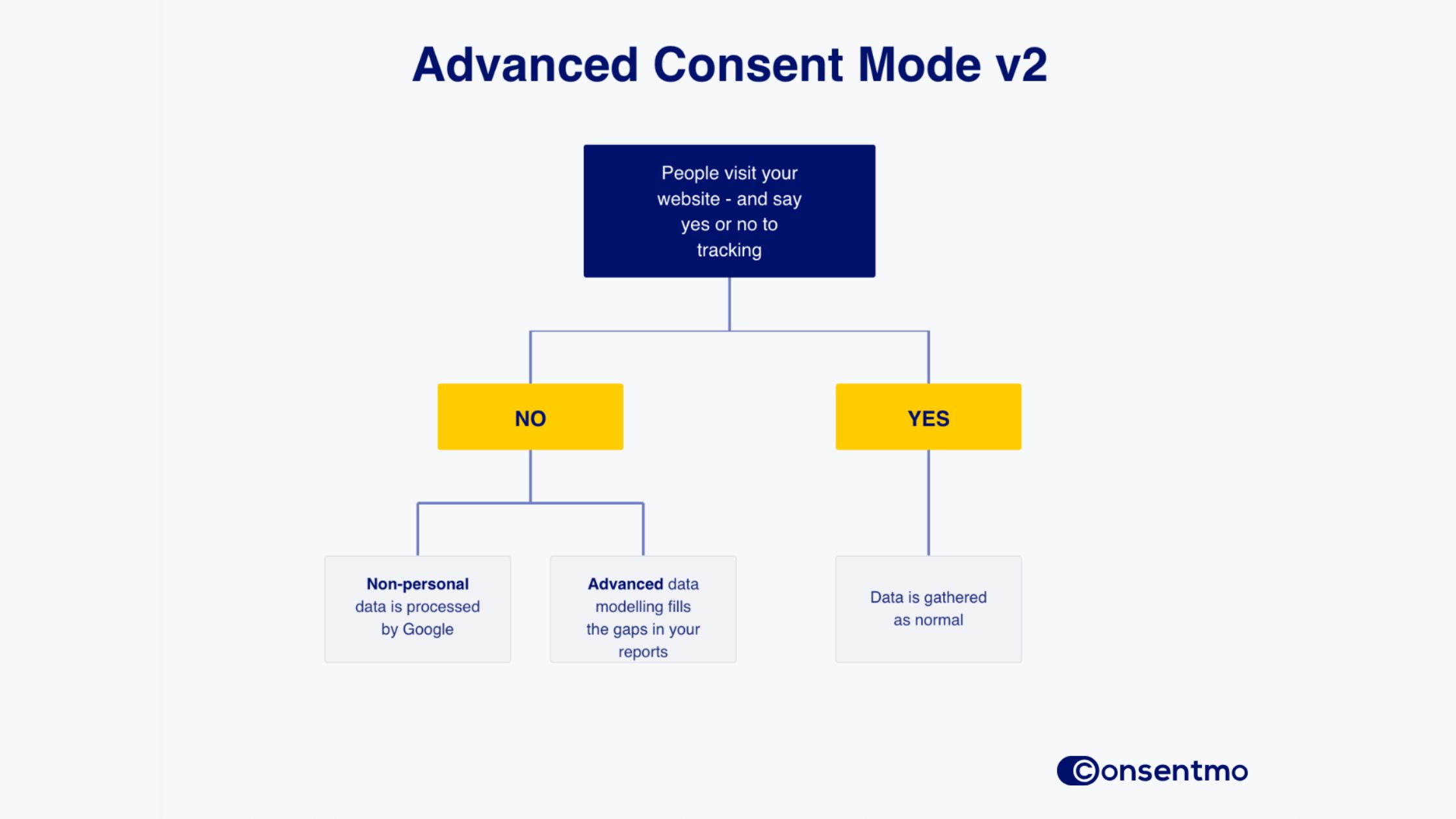
Advanced Consent Mode allows anonymous, cookieless signals when consent is rejected.
Advanced usually improves reporting and ad performance.
Basic is safer from a strict GDPR interpretation.
The right choice depends on risk tolerance, traffic volume, and setup quality.
Now let’s talk about why this feels like such a loaded decision.
Why this choice feels heavier than it should
On paper, this looks like a simple trade-off: privacy versus performance.
In reality, merchants aren’t choosing between “right” and “wrong”. They’re choosing between certainty and visibility.
Certainty means knowing your setup is as conservative as possible. Visibility means being able to trust your reports and keep ads learning.
Google didn’t introduce two modes by accident. They exist because most businesses don’t live at the extremes - and neither does compliance.
What Basic Consent Mode feels like in practice
Basic Consent Mode is the quieter option.
When a visitor lands on your store, nothing related to Google loads until consent is given. If they reject cookies, Google sees nothing. No cookies. No signals. No modeling.
For some teams, that’s reassuring. It’s simple to explain, easy to defend, and aligns with the strictest reading of GDPR.
But over time, that silence shows up elsewhere.
Reports start to feel thin. Conversion numbers stop lining up with actual sales. Google Ads optimization slows down, not because campaigns are worse, but because feedback is missing.
Basic Mode doesn’t break tracking - it just removes context.
Why many merchants lean toward Advanced Consent Mode
With Advanced Mode, cookies are still blocked when a user rejects consent. Personal data isn’t stored. But Google receives anonymous, aggregated signals that indicate something happened on the site.
Those signals are what allow Google to:
Maintain attribution trends
Model conversions
Prevent ad algorithms from going blind
This is why Advanced Mode is often chosen by merchants who depend heavily on paid traffic. It keeps reporting usable without ignoring consent.
Where the GDPR “gray area” actually lives
The risk isn’t the mode itself. The risk is implementation.
Advanced Mode is generally considered acceptable when:
Cookies are genuinely blocked
No personal identifiers are stored
Signals are anonymous and aggregated
Consent choices are clearly communicated
Problems appear when setups are messy - duplicate Google tags, scripts firing too early, or consent states not being respected consistently.
That’s why the tool you use matters.
With a CMP like Consentmo, merchants don’t just “turn on” Consent Mode. They explicitly choose Basic or Advanced inside the app, and the integration ensures Google receives the correct signals based on that choice - every time.
That’s the difference between intending to be compliant and actually being compliant.
Why “just go Basic” isn’t always the best move
A common reaction to all this nuance is:
“Let’s just use Basic and avoid the headache.”
But Basic doesn’t just reduce data - it removes Google’s ability to understand why data is missing.
When Google can’t distinguish between:
a real performance drop
and consent-related blind spots
decisions get made on assumptions.
If you want to see how big that visibility gap usually is, this is the natural next read: How much data loss should you expect without Google Consent Mode?
Why this decision matters more now than before
Google is paying closer attention to whether:
Consent signals exist
Tag behavior matches user choice
Tracking is suppressed correctly when consent is denied
Both Basic and Advanced are valid approaches. Missing or broken Consent Mode is not.
If you’re wondering what actually happens when Consent Mode isn’t implemented at all, we break that down in What happens if you don’t implement Google Consent Mode v2 at all?
So… which one should you choose?
The better question isn’t “Which mode is better?”
It’s:
How much reporting uncertainty can we tolerate?
How conservative does our compliance posture need to be?
Do we trust our setup to behave exactly as intended?
When Consent Mode is implemented properly - and controlled through a tool designed for it - this choice becomes strategic instead of stressful.
The real risk isn’t choosing one. It’s choosing without understanding the trade-off - or without a setup that enforces it correctly.
Once you see it that way, the decision stops feeling like a trap and starts feeling like what it actually is: part of running a modern store.
At that point, the most important thing isn’t which option you choose - it’s how that choice is implemented.
Basic and Advanced Consent Mode only work if Google receives a clean, consistent consent signal. And that’s where many setups quietly fail. Tags fire too early. Scripts overlap. Consent states don’t line up across Ads and Analytics.
From Google’s side, that doesn’t look like a conscious choice between Basic or Advanced. It just looks broken.
That’s why whichever mode you choose, it needs to be configured through a proper consent management platform like Consentmo. Inside the app, merchants explicitly select whether they want Basic or Advanced Consent Mode, and Consentmo handles the rest - capturing consent first, controlling when Google tags load, and sending the correct signal every time.
When Consent Mode is set up this way, Google can trust the data it receives. And merchants can trust the reports they’re making decisions on.
About the Author
Elena Tsatcheva
Elena is a seasoned Product Manager who has been an integral part of our company for several years. In her role she oversees the development and promotion of Consentmo, ensuring that they meet customer needs and drive business growth. In her spare time, Elena enjoys traveling to new and exciting destinations, experiencing different cultures, and expanding her horizons.
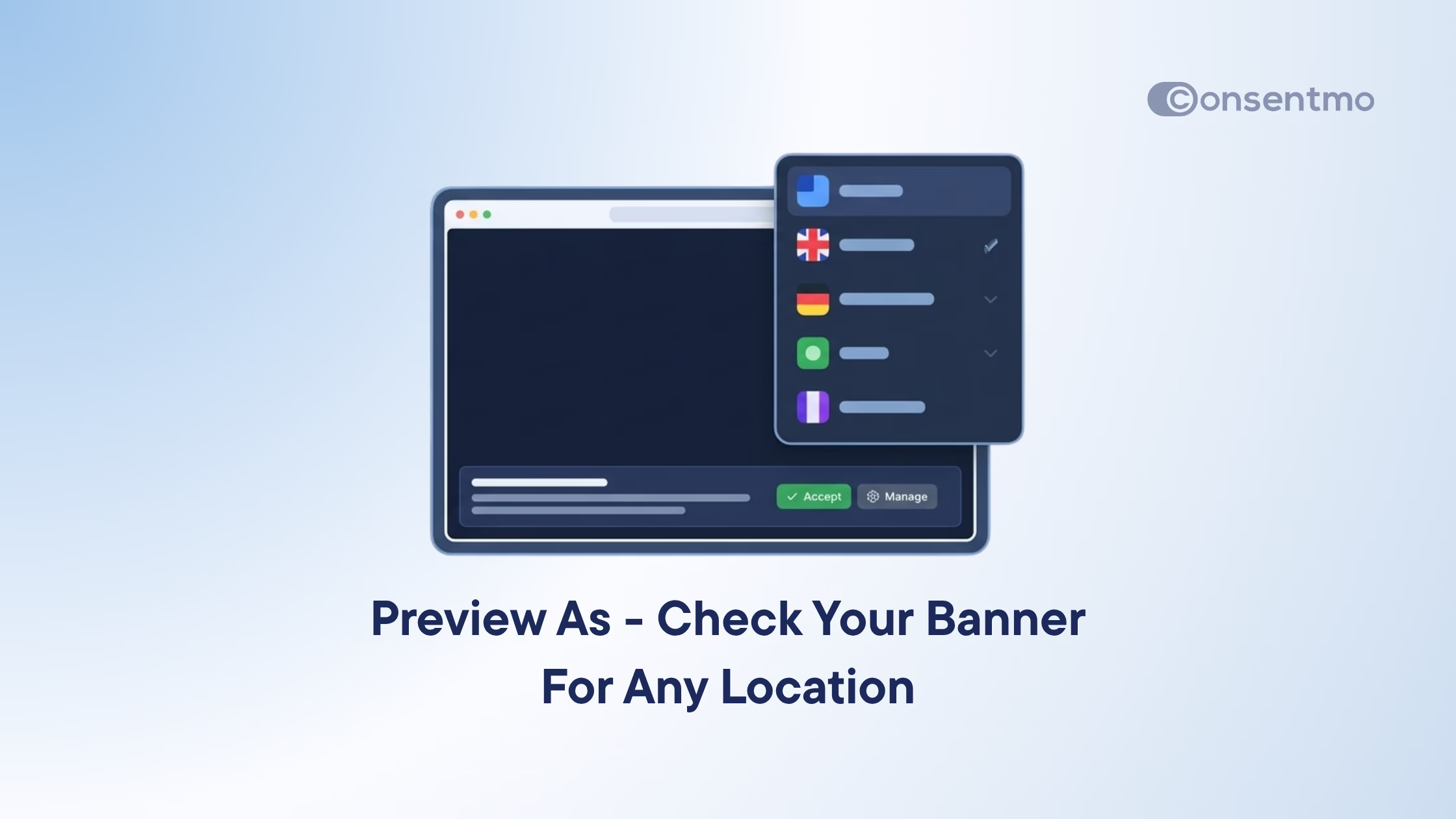
Consentmo's Preview As lets you instantly see how your cookie banner looks and behaves for visitors in any country or US state — no VPN, no test accounts, straight from your dashboard.











.jpg)


%20-%20Copy-p-500.webp)

.webp)



%20-%20Copy.png)
.svg)