Key takeaways
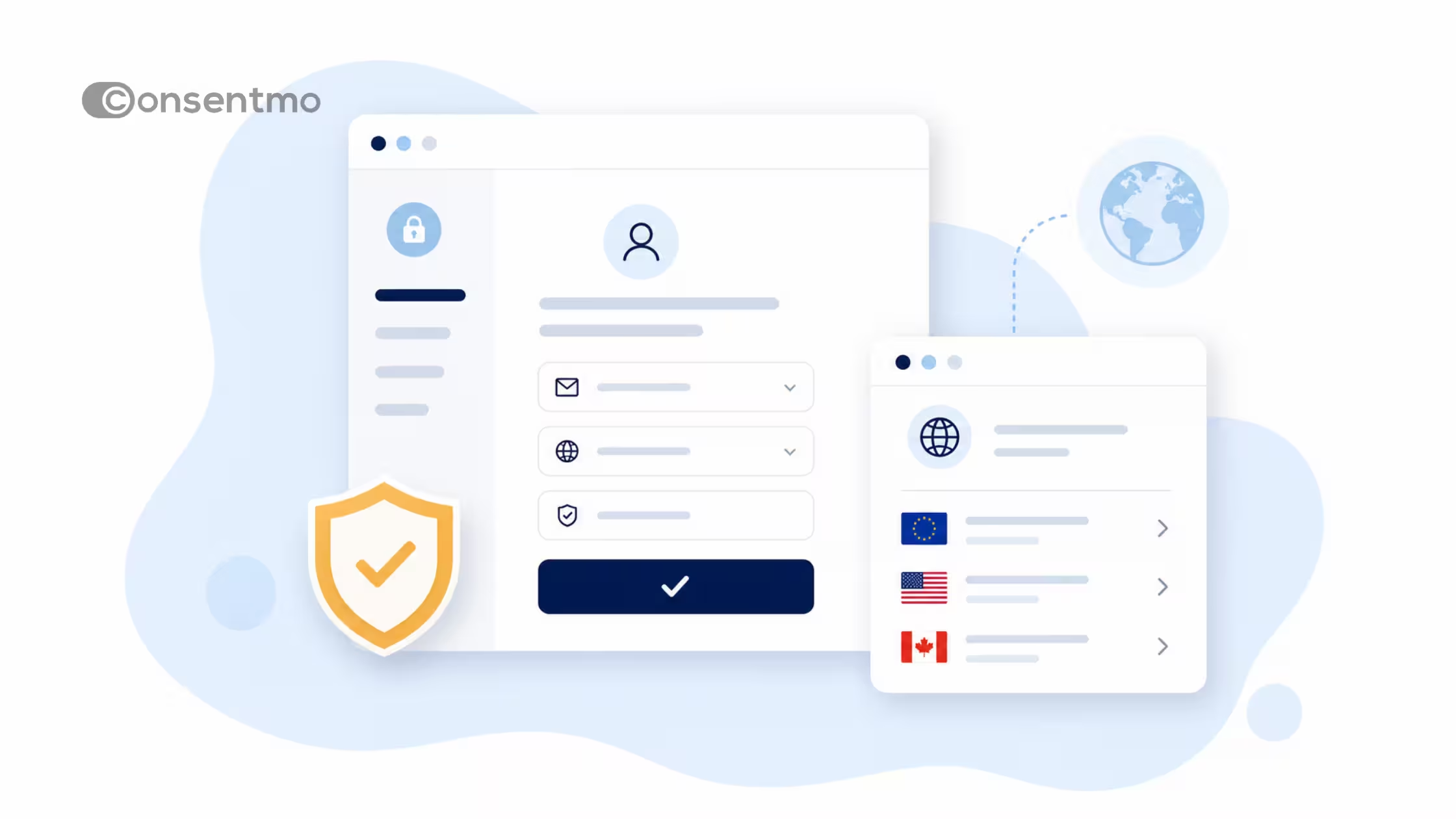
- Compliance pages are where shoppers submit privacy rights requests (access, deletion, opt-out, and more).
- After submit, Consentmo runs an email flow so the customer can confirm the request (for example a secure “Confirm deletion” link).
- Every request is stored in-app under Analytics & Reports → Customer data requests, with type, status, deadline, and received date.
- Regional pages or Smart Privacy Center are the front door; email + request logs are how you handle and track what comes through.
- Configured privacy request pages count toward Compliance Score; monitoring helps keep those pages live and linked.
Intro
Privacy laws expect more than a cookie banner. Shoppers need a clear way to exercise rights over personal data: access, correction, deletion, opt-out of sale or sharing, and related requests.
In Consentmo, that journey starts on compliance pages under Privacy center: either regional privacy request pages (all plans) or, on Enterprise, a single Smart Privacy Center. When someone submits a request, the work does not stop at the form. Consentmo sends email notifications so the shopper can confirm the action, and every request is logged in the app under Customer data requests so your team can review status, deadlines, and history.
This guide covers free regional pages, Smart Privacy Center, email handling after submit, in-app request logs, automated monitoring, and how these pieces feed your Compliance Score.
What are Privacy request pages in Consentmo?
Compliance pages (also called privacy request pages or DSAR forms) are public storefront pages where customers submit privacy requests under the laws that apply to them.
They typically:
- Explain that the shopper can exercise privacy rights
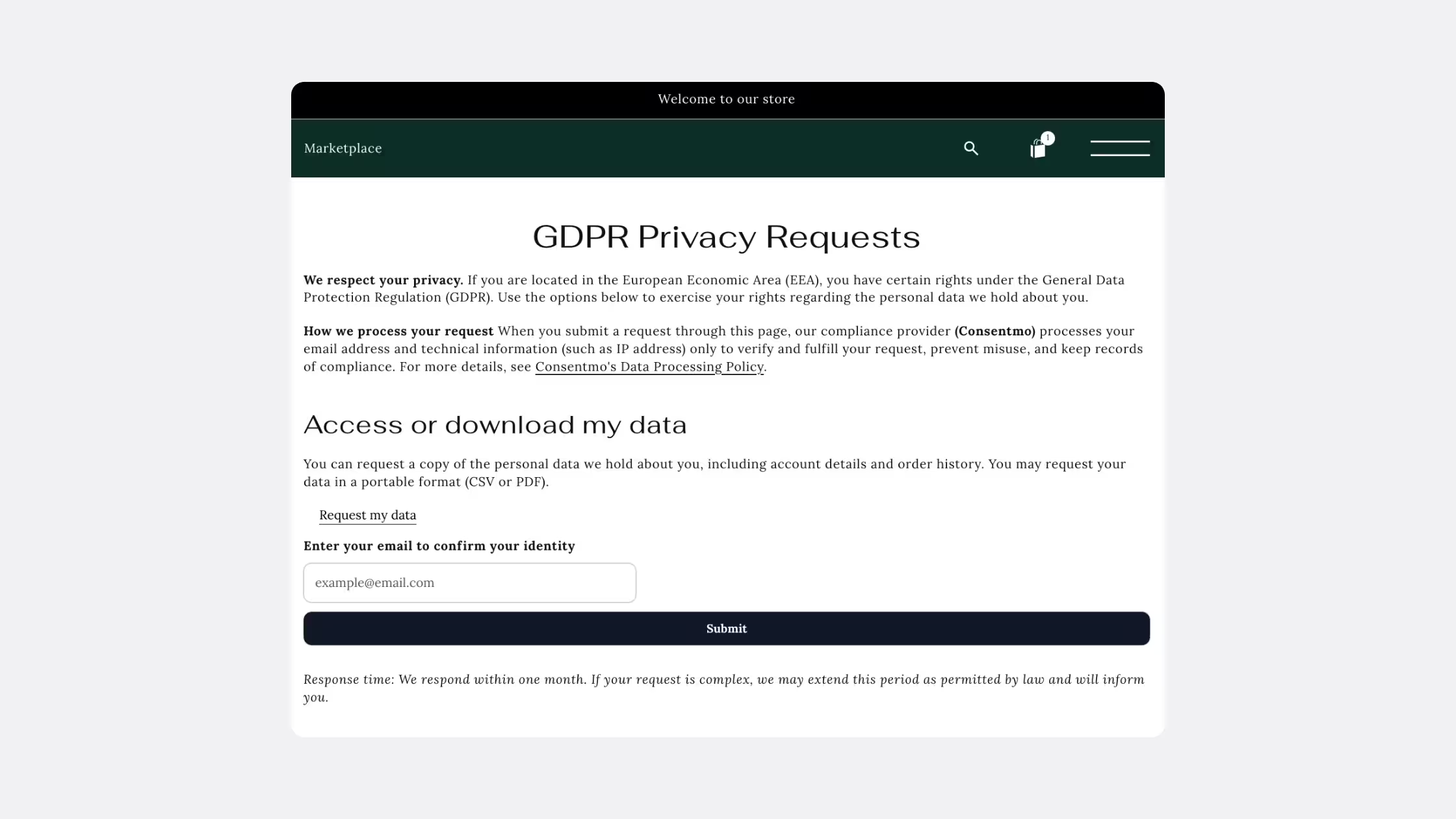
- Describe how the request is processed (including that Consentmo may process email and technical data to verify and fulfill the request)
- Offer request types such as access/download, correction, deletion, restriction, objection, withdraw consent, do not sell or share, third-party disclosures, and limits on sensitive personal information (exact options depend on the region and page type)
- Sit on a Shopify page URL you can link from the footer or navigation
You manage them in the app under Privacy center → Privacy request pages. Related tools in the same area include cookie policy, EU withdrawal, settings, age gate, and terms.
Free option: regional privacy request pages (per law / region)
On all plans, you can generate separate pages for each region you operate in.
How it works
- Install Consentmo from the Shopify App Store
- Open Privacy center → Privacy request pages.
- Choose Generate Regional Pages (instead of, or before, enabling Smart Privacy Center).
- Consentmo creates dedicated Shopify pages for the regions you need.
- You manually add footer (or menu) links for each page. The app reminds you of this final step after generation.
Typical footer setup:
- In Shopify admin, open Menus
- Select the Footer menu
- Add menu item using the suggested link name for that region
- Link → Pages → select the generated page
- Save
Regions and laws you can cover
Regional pages map to the markets you serve. In the product UI, generated coverage commonly includes:
Generate pages only for regions where you have customers. You do not need every page if you do not sell into that market.
Strengths of regional pages
- Works on every plan (including free / non-Enterprise)
- Separate URL per region for region-specific footer links
- Full control per region (edit each Shopify page’s title and content in the theme editor)
- Clear labeling (for example a dedicated GDPR Privacy Requests page with EEA-focused copy and request sections)
Tradeoffs
- More URLs and footer items as you add markets
- More ongoing maintenance when laws or copy change
- Easy to miss a link if you expand into a new region later
When regional pages fit best: stores focused on one or a few markets, or teams that want explicit per-law footer links without Enterprise.
Enterprise option: Smart Privacy Center
Smart Privacy Center is the Enterprise path: one privacy page for all supported regions, with less setup and less ongoing maintenance.
Deep dive: Introducing Smart Privacy Center: One Page for All Your Privacy Requests.
_converted.avif)
What you get
From the Privacy center setup card:
- Covers all supported regions automatically
- One URL to add to your footer (for example
/pages/your-privacy-choices) - No need to manage separate regional pages for day-to-day coverage
- Built for global or growing stores
In the app, when Smart Privacy Center is published, regional rows (Europe, USA, Canada, and the rest) show as Covered by Smart Center. Status chips can show privacy pages as Worldwide and Smart Privacy Center as Published.
Storefront experience
Shoppers land on a single Your Privacy Choices style page where they can:
- Read privacy rights and processing notices
- Open cookie preferences where relevant
- Choose country of residence
- Pick a request type (access/download, correction, deletion, restriction, objection, withdraw consent, do not sell or share, third-party list, limit sensitive PI, and similar options shown in the UI)
- Submit through one portal instead of hunting for the “right” regional URL
Admin setup includes footer link toggle, page URL/slug, footer menu selection, link text, and which countries appear for residence selection (with manage translations where available).
Strengths of Smart Privacy Center
- One footer link instead of a stack of law-specific links
- Automatic multi-region coverage as your map of supported laws grows
- Less risk of a missing regional page when you expand
- Same compliance outcome (customers can submit rights requests) with less ops load
When it fits best: multi-country catalogs, brands tired of maintaining GDPR + CCPA + PIPEDA + … as separate pages, Enterprise merchants who want one durable privacy hub.
Regional pages vs Smart Privacy Center
You choose the model that matches your plan and how many regions you serve. The product presents both options side by side under Set up privacy request handling.
Automated monitoring for Smart Privacy Center
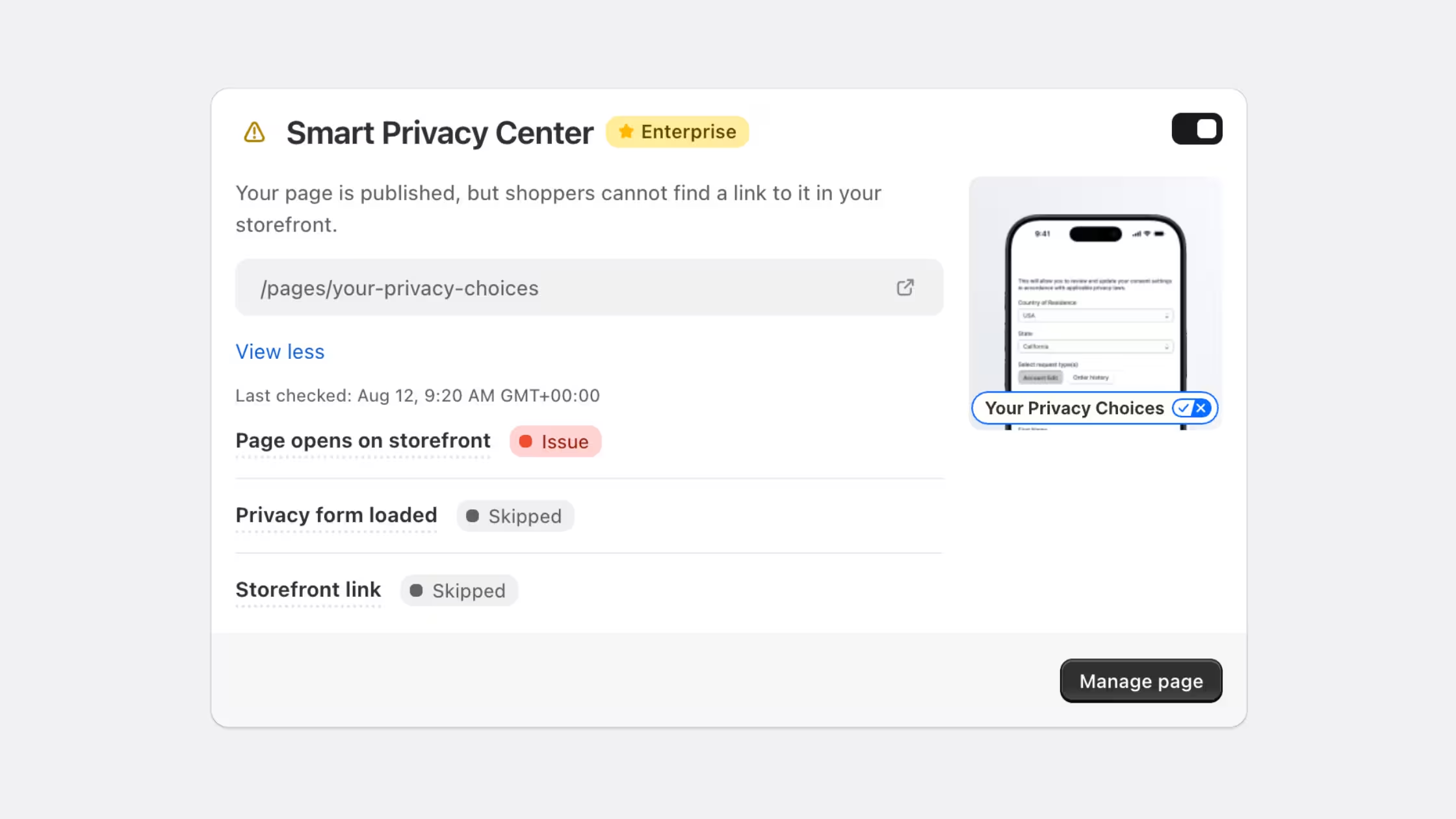
Publishing a privacy request page once is not enough. Theme edits, unpublished pages, broken footers, or a missing embed can leave shoppers with a 404 or an empty form while the admin still looks “set up.”
Consentmo’s automated monitoring watches that your compliance pages stay healthy on the live storefront. For privacy request surfaces, that includes the Smart Privacy Center when it is enabled, as well as other compliance pages covered by your plan (for example Smart Cookie Policy and related pages on higher tiers).
What monitoring checks
Monitoring looks for practical storefront health, for example:
- The page opens on the storefront (published and reachable, not a broken URL)
- The privacy form or embed loads so shoppers can actually submit requests
- A storefront link exists (typically footer or navigation) so the page is discoverable
Example issues this catches: Smart Privacy Center returning 404 after a theme change, or a privacy hub that exists but is no longer linked from the storefront.
How you hear about problems
When something needs attention, Consentmo can surface it through:
- Email notifications
- In-app messages
- Compliance checks (including impact on Compliance Review / Compliance Score where those pages are part of the scored setup)
Monitoring is designed to run in the background so you do not have to manually click every privacy URL after every theme deploy. On plans where the feature is active by default, you typically do not need a separate setup project just to turn checks on.
Compliance pages and your Compliance Score
Compliance pages are not only a storefront nicety. They are part of how Consentmo evaluates setup quality.
That sits alongside other checks such as cookie banner active, consent model matching region requirements, explicit consent where required, and equal button prominence.
Practical meaning:
- Generate or enable the right request experience for the regions you selected
- Publish pages so they are reachable
- Link them from the storefront (footer or menu) so shoppers and scanners can find them
- Prefer Smart Privacy Center on Enterprise if you want worldwide coverage without juggling many URLs
Missing or unlinked DSAR pages can drag the score and leave customers without a clear path to exercise rights. Keeping pages generated, published, and linked protects both compliance posture and the score.
Recommended setup path
- Decide regions you actually sell into.
- Pick a model
- All plans: Generate Regional Pages, then add each footer link.
- Enterprise: Enable Smart Privacy Center, publish, add the single footer URL.
- Preview the storefront page (View / open the page URL).
- Confirm Compliance Score shows Privacy request pages configured as passing.
- Revisit when you enter a new market or change plans (for example moving from regional pages to Smart Privacy Center).
Email flow after a request is submitted
Compliance pages collect the request. The email flow is how Consentmo verifies and notifies the shopper (and keeps the process auditable).
Typical path:
- The customer opens a regional privacy request page or Smart Privacy Center and chooses a request type (for example delete personal data, withdraw consent, access/download).
- They submit the form with the details the page requires.
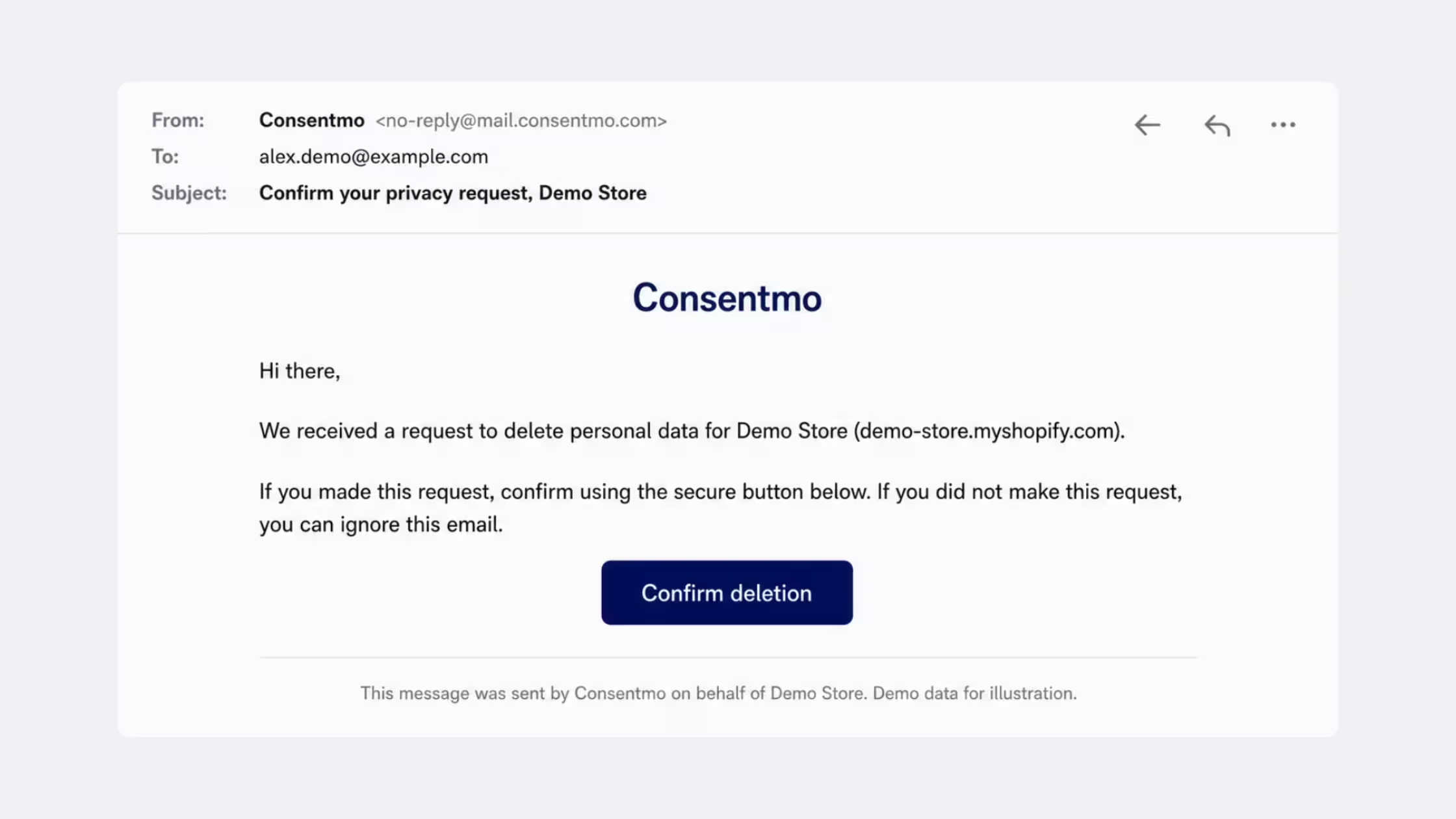
- Consentmo sends a message from Consentmo (
no-reply@mail.consentmo.com) on behalf of the store branding (for example the store name as the email title). - The email states what was requested (for example “We received a request to delete personal data”) and, when confirmation is required, includes a secure link such as Confirm deletion.
- If the person did not make the request, they can ignore the email.
- Once confirmed (where required), the request moves forward in your fulfillment process and appears in the request log with an updated status.
What merchants get from this flow:
- Shoppers get a clear, branded confirmation path instead of a silent form submit
- Sensitive actions (like deletion) can require an extra confirm step via email
- Support and privacy teams can point to the same email trail when customers ask “did you get my request?”
Emails are part of the request lifecycle, not a separate product. The page captures intent; the mailbox confirms it.
Request logs inside the app
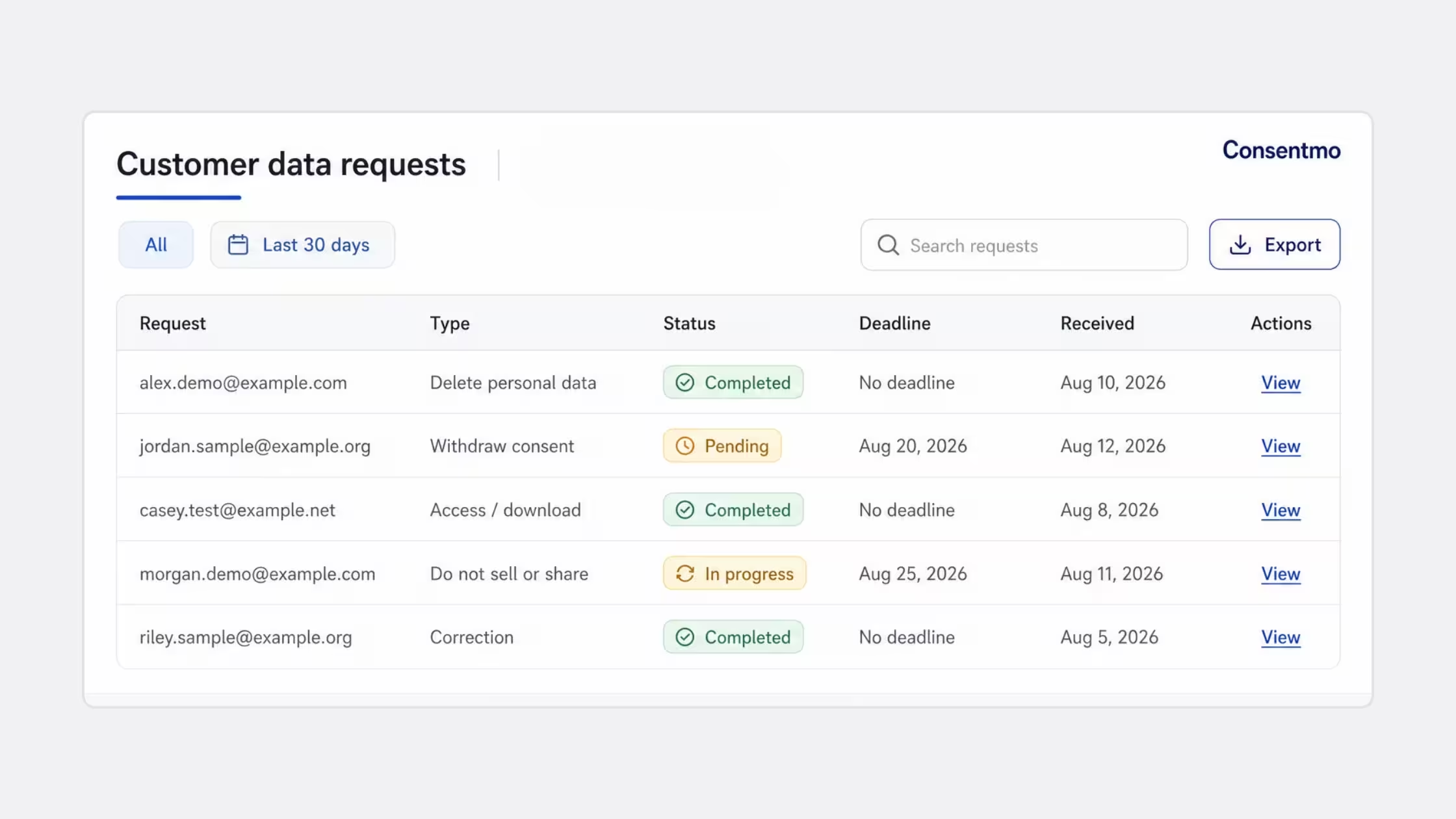
Every submission that comes through your compliance pages is recorded in Consentmo so you are not hunting through inboxes for history.
Where to find it:
Analytics & Reports → Customer data requests
What the log shows (from the app table):
Useful controls in the same screen:
- Filters: All, Today, Yesterday, Last 7 / 14 / 30 / 90 days
- Search and sort
- Export of the request list
- Enable Google Drive backup (available on Plus plan) for an off-app copy of request data
Why the log matters next to compliance pages:
- One place to see volume and types of DSAR-style traffic
- Proof of handling for internal reviews and audits
- Faster support when a customer follows up on a request they filed via the privacy page
- Clear separation between storefront intake (pages) and ops tracking (logs)
Together: page → email confirm → log entry → View/export is the full loop from shopper rights request to merchant record.
Conclusion
Consentmo compliance pages are the public front door for privacy rights.
- Regional pages or Smart Privacy Center collect the request;
- The email flow confirms sensitive actions with the shopper;
- Customer data requests keeps a searchable log with status, deadlines, and export;
- Monitoring helps keep those pages published and linked, and configured;
- DSAR pages support a healthier Compliance Score.
Set up the page model that matches your plan, link it from the footer, treat email and request logs as part of the same workflow, and keep the score green as you grow into new markets.
This article is for general product education. It is not legal advice. Confirm requirements with qualified counsel for your markets.


.avif)