


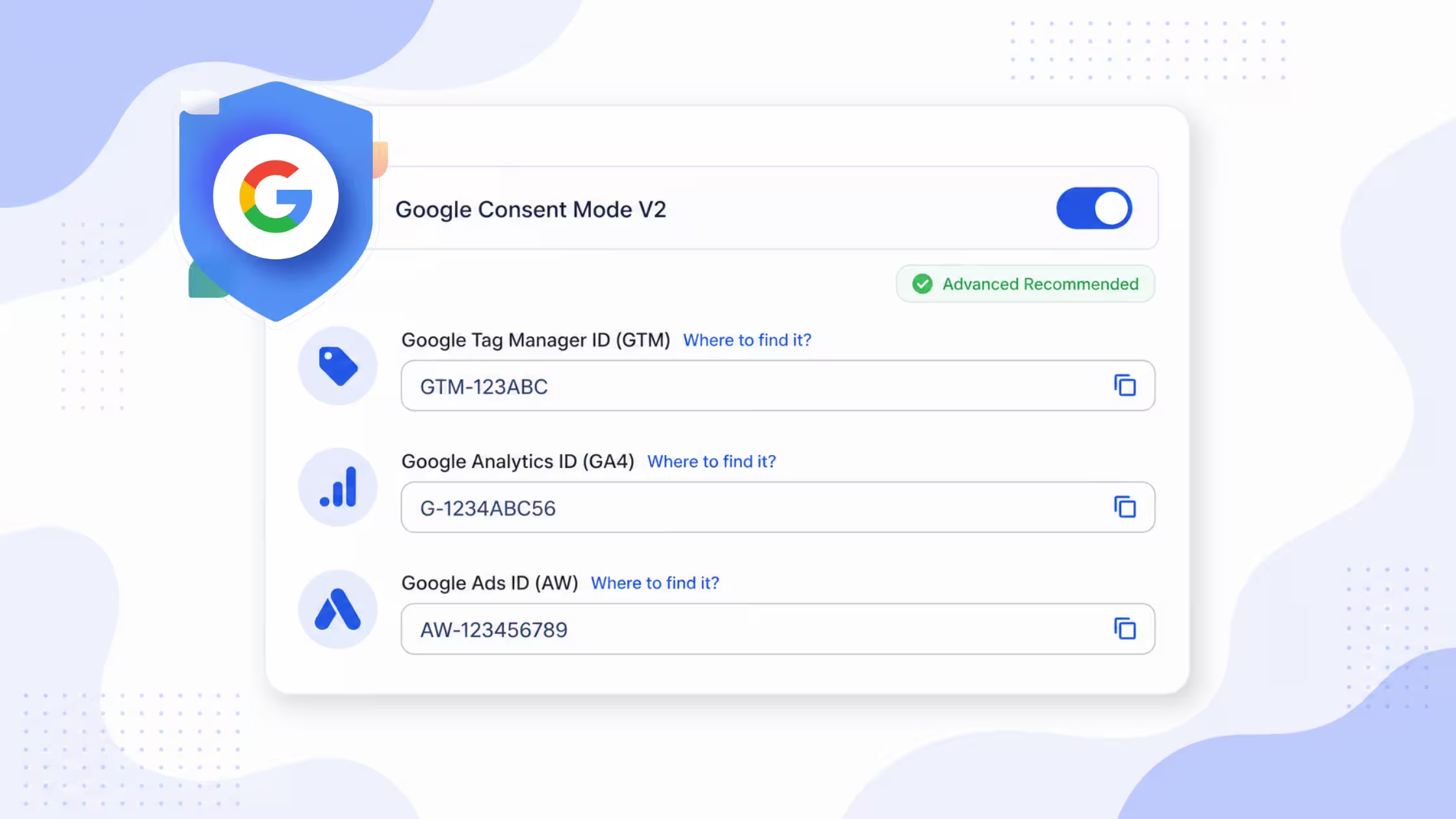
Google Consent Mode V2 (GCM V2) tells Google tags how to behave based on each shopper’s cookie choices. For Shopify stores running Google Analytics 4, Google Ads, or Google Tag Manager, that connection is what keeps measurement useful while staying aligned with GDPR and Google’s EU user consent requirements.
Consentmo can set GCM V2 up for you automatically: enable the integration, add your tag IDs, map consent types to your cookie categories, and save. No theme code required for the standard storefront setup.
This guide walks through the current Consentmo UI, Advanced vs Basic mode, consent mapping, optional diagnostics, checkout coverage, and what to do if you load GTM through a server-side tracking stack.
What Google Consent Mode V2 Does
GCM V2 sends consent signals to Google so tags know whether storage types like ad_storage, analytics_storage, ad_user_data, and ad_personalization are allowed. Consent Mode is not a cookie banner on its own. It works with your CMP (Consentmo) so banner choices become the signals Google expects.
When consent is limited, Advanced mode can still send limited cookieless pings (for example page context and consent state) so Google can apply conversion modeling. Full tracking runs only after the relevant consent is granted.
Advanced vs Basic Consent Mode
In Consentmo, under Consent Mode type, you choose how tags load:
- Advanced (Recommended), Google tags can load before the shopper decides, starting from a denied default. Behavior updates when they accept or reject categories. This maximizes measurement while still respecting consent.
- Basic, Google tags stay blocked until the shopper gives explicit consent. This minimizes measurement before a choice is made.
Most Shopify merchants should keep Advanced unless they have a specific reason to block all Google tags until interaction.
Before You Enable Automatic Integration
Automatic GCM V2 integration is available on Consentmo Premium plans (Standard, Plus, or Enterprise).
Important: once the integration is enabled and tag IDs are added, Consentmo loads those Google tags on the storefront. Remove or disable duplicate GTM, GA4, Google Ads, or other Google tracking scripts from your theme, custom pixels, or other apps first. Loading the same IDs from multiple places breaks the setup.
Exception: tags from the Google & YouTube sales channel can stay in place if the same IDs are also configured only there and in Consentmo, not from extra theme scripts.
Free plan merchants (or anyone keeping an existing Google setup outside automatic loading) can still wire Consent Mode manually. Use the free-plan path in our help center when automatic loading is not the right fit.
Step-by-Step: Enable Google Consent Mode V2 in Consentmo
- Open Consentmo and go to Integrations in the left menu.
- Open the Google Consent Mode V2 section and enable it. You should see confirmation that Google Consent Mode V2 is currently enabled.
- Under Core setup, add the IDs you use:
- Google Tag Manager ID (GTM), e.g.
GTM-123ABC - Google Analytics ID (GA4), e.g.
G-1234ABC56 - Google Ads ID (AW), e.g.
AW-123456789
- Google Tag Manager ID (GTM), e.g.
- You can add more than one ID in a field by separating them with commas and no spaces (example:
AW-123456,AW-987654). - If GA4 and Google Ads are already configured inside your GTM container, you often only need the GTM container ID in Consentmo. If you have added the Consentmo CMP tag to that container, check I have added the Consentmo CMP tag to my GTM container.
- Choose Consent Mode type: Advanced (recommended) or Basic.
- Review Consent mapping (defaults below), then save.
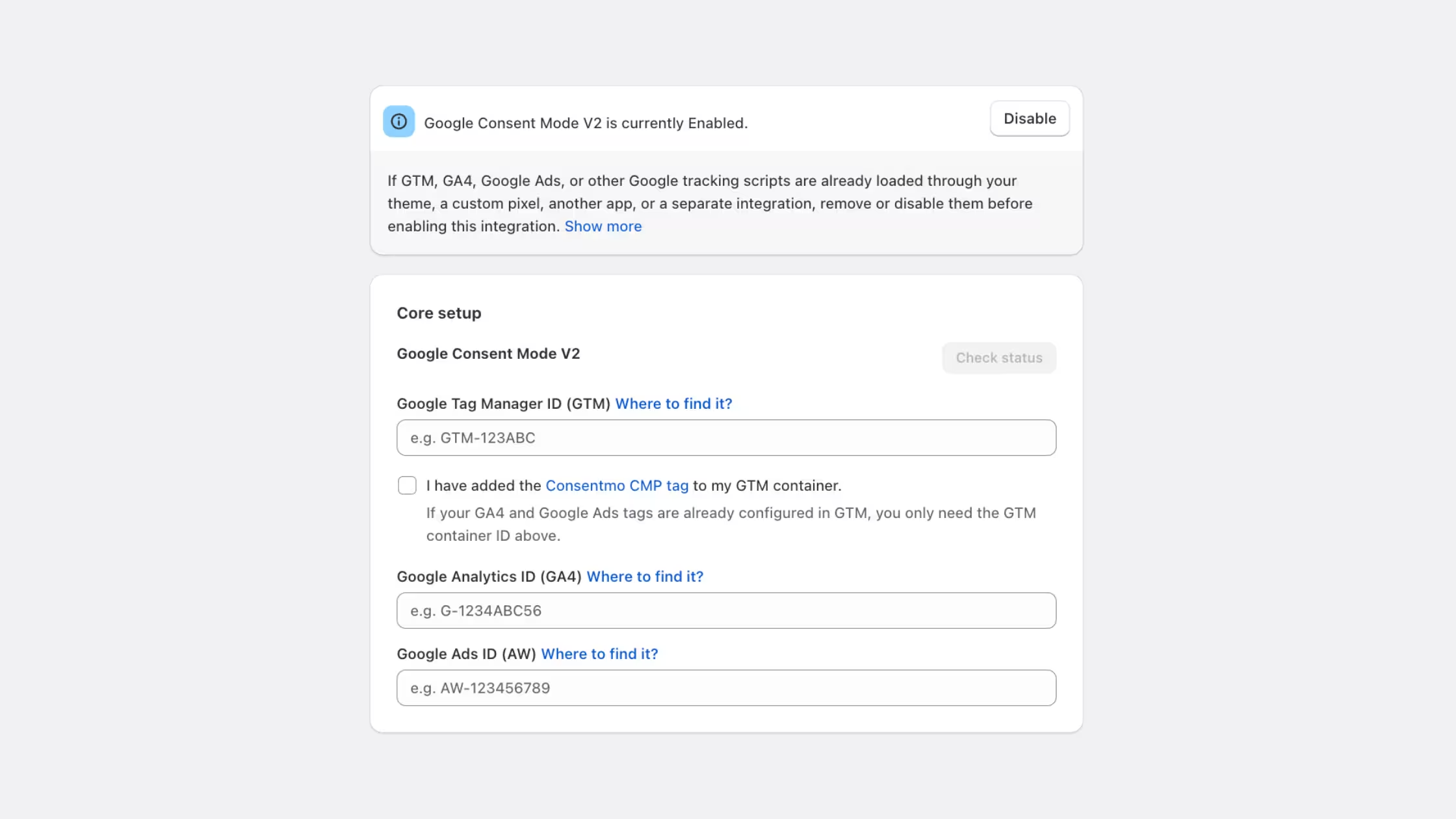
Use Check status in Core setup after saving to confirm the integration is healthy on the storefront. Learn more about our Integration Scanner here.
Consent Mapping (How Categories Map to Google Storage Types)
Consentmo automatically maps Google consent types to your cookie categories. Defaults in the current UI:
- security_storage → Necessary, authentication, fraud prevention, security
- ad_storage, ad_user_data & ad_personalization → Marketing, advertising, personalization, conversions
- analytics_storage → Statistics, site analytics and measurement
- functionality_storage → Preferences, site functionality such as language
- personalization_storage → Preferences, personalization such as recommendations
Only change these if your category labels or policy require a different mapping. Wrong mapping is a common reason Ads or Analytics stay denied after “Accept all.”
Optional Settings: URL Passthrough, Redaction, dataLayer, Debug
Further down the GCM V2 settings you will find:
- url_passthrough, optional. Allows passing ad click, session ID, and client ID in URLs when needed for measurement continuity.
- ads_data_redaction, recommended when relevant. Further redacts Ads data when
ad_storageis denied. - Rename the dataLayer property, default
dataLayer. Rename only if a third-party app requires a different name. - Debug mode / console diagnostics, helps catch late consent, missing commands, invalid order, or incorrect permissions. Output appears in the live storefront browser console (filter by “Consentmo”), not inside the admin. Turn it off when you finish testing.
If you use Google Tag Gateway (GTG), late consent can show up in diagnostics. Verify GTG setup or follow Consentmo’s integrations guidance when that warning appears.
Checkout Integration (Shopify Plus / Enterprise)
Storefront GCM V2 does not automatically cover checkout by itself. Consentmo includes a Checkout integration control (Enterprise) to set Google Consent Mode on checkout pages. Checkout integration is available only to stores on a Shopify Plus plan. Enable the option and follow the checkout-specific instructions in Consentmo’s guide when you need consent signals through checkout.
Server-Side GTM and Third-Party Tracking Apps
If GTM is loaded through a server-side or third-party stack (for example Elevar, Stape, Addingwell, TagFly, Trackstars, or similar), Consentmo’s automatic tag loading alone is not enough. GTM must receive Consentmo consent signals through the Consentmo GDPR CMP community template in your GTM container (consent overview enabled, default denied states, Consent Initialization trigger, then verify with Tag Assistant).
Without that template, tags can fire without correct ad_storage / analytics_storage states. Full setup steps live in our server-side GTM support article (linked below).
Quick Checklist After Setup
- No duplicate Google tags left in theme or competing apps
- Correct GTM / GA4 / AW IDs saved in Consentmo
- Advanced or Basic mode chosen intentionally
- Consent mapping matches your cookie categories
- Tag Assistant / Consentmo debug shows
consent defaultandconsent updateas shoppers interact with the banner - Server-side GTM users: Consentmo CMP template published on Consent Initialization
- Plus checkout needs: checkout integration enabled per guide
Get Google Consent Mode V2 Working on Your Shopify Store
Consentmo connects your cookie banner to Google Consent Mode V2, loads GA4, Ads, and GTM with the right consent signals, and keeps Advanced measurement available when shoppers opt in. Set it up in Integrations, save your IDs, and verify status on the storefront.
Install Consentmo on Shopify to enable automatic Google Consent Mode V2 and keep analytics and ads aligned with customer consent.



_converted.avif)